

Intelligence that moves projects forward.
Explore GridEQ's commercial intelligence reports, The Executive Brief, and GridEQ Exchange—three complementary resources that help investors, developers, and energy companies reduce uncertainty and make confident decisions.
The GridEQ Executive Brief.
Published monthly, each issue delivers structured intelligence on execution risk trends, counterparty dynamics, and infrastructure market signals — written at the level of a senior investment professional, not a general trade publication. It draws on the same renewable energy consulting framework behind our commercial due diligence reports.
Join the Executive Brief.
Monthly intelligence delivered to your inbox. Subscribe in under a minute.
See what better commercial due diligence looks like.
Request a redacted sample report to see how GridEQ evaluates counterparties, identifies execution risks, and delivers decision-ready intelligence for energy infrastructure projects.
Intelligence on available inventory. Signals the OEM channel doesn't carry.
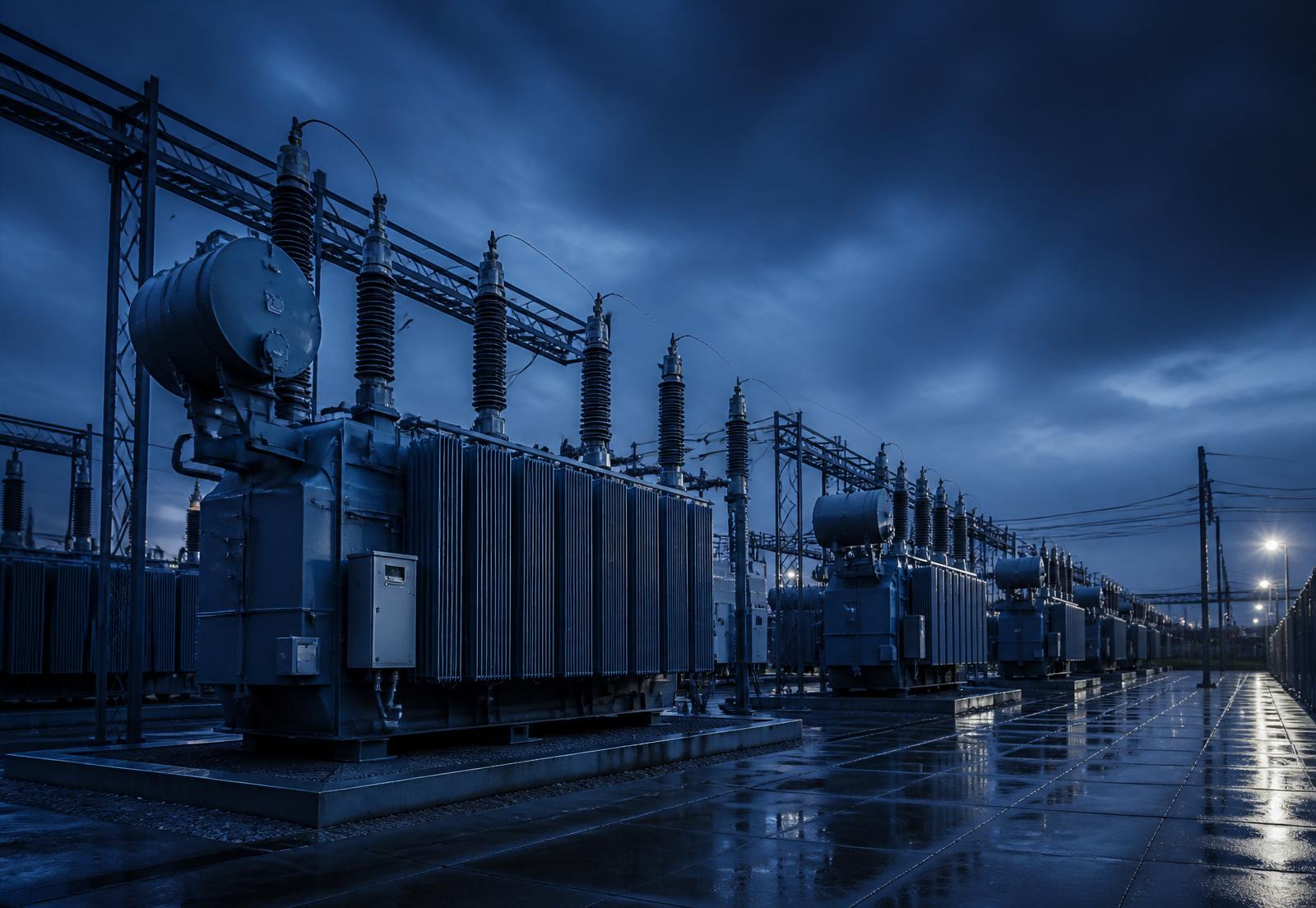
Secondary-market and surplus long-lead electrical equipment moves through limited, relationship-driven channels. GridEQ tracks available inventory — main power transformers, GSUs, breakers, and switchgear sourced from cancelled projects, scope changes, and qualified sellers — and makes that intelligence available to qualified buyers and capital providers.
Submit a buyer or seller inquiry and GridEQ follows up through qualified, discreet channels.
Intelligence briefs.
Why sponsor discipline is the missing line item in infrastructure diligence.
Traditional diligence underwrites the asset. It rarely underwrites the sponsor.
June 2025Equipment SourcingThe transformer lead-time crunch is now a capital markets problem.
OEM backlogs are stalling projects long after financial close.
May 2026Technology & ExecutionExecution Risk is Now the Primary Constraint in BESS Deployment
Battery energy storage projects are hitting execution walls that technology specs alone cannot solve.
April 2026Capital MarketsPre-Diligence Sponsor Evaluation: What Capital Misses Before the IE Report
Most due diligence starts too late. The real risk profile is set before the independent engineer arrives.
March 2026Developer PlatformsPlatform Maturity vs Pipeline Scale: Why Growth Alone Doesn't Indicate Bankability
A large pipeline is not evidence of execution capability. Maturity metrics separate bankable developers from aspirational ones.
February 2026Technology & ExecutionThe Gap Between System Design and EPC Execution Reality
Engineering specifications and field execution diverge in predictable ways. Understanding the gap is a diligence advantage.
January 2026Capital MarketsFrom Project-Level Diligence to Platform-Level Underwriting
Infrastructure capital is shifting from single-asset review to platform underwriting. The framework is still being written.
December 2025Capital MarketsWhat Is Counterparty Risk in Clean Energy Project Finance?
Counterparty risk is the unpriced variable in most energy infrastructure transactions. Here's how to measure it.
November 2025M&AConsolidation Patterns in Clean Energy Development: Who Buys, Who Sells, and Why
Development platform M&A is accelerating. Understanding buyer motivations and seller distress signals creates an edge.
October 2025Market EntryEntering U.S. Energy Infrastructure: A Market Entry Framework for Foreign Capital
New market entrants face a fragmented landscape of developers, offtakers, and regulatory regimes. A structured entry framework reduces time to first close.
September 2025Developer PlatformsHow Do Capital Providers Conduct a Developer Bankability Assessment?
Bankability assessments vary widely across capital providers. The most rigorous share a common structural approach.
August 2025Technology & ExecutionWhat Is BESS Due Diligence and Why Does It Matter for Infrastructure Investors?
Battery storage due diligence requires a different lens than conventional asset review. Performance degradation and cycling strategy matter.
July 2025